
























Haselnuss-Antioxidantien im Vergleich zu Walnüssen und Mandeln

Natürlicher Schutzschild gegen das Altern: Die antioxidative Kraft der Haselnuss, Laboralchemie und ihr Duell mit den Nuss-Giganten
Wie freie Radikale unsere Zellen angreifen – und warum die Haselnuss zu den stärksten natürlichen Schutzschilden zählt
In unserem Körper tobt jede Sekunde ein unsichtbarer, aber gnadenloser Kampf. Freie Radikale – hochreaktive Moleküle, die durch Stoffwechsel, Stress oder Umweltbelastung entstehen – greifen unsere Zellen an. Dieser Prozess, bekannt als oxidativer Stress, gilt als Hauptursache für vorzeitige Hautalterung, die Entstehung von Krebs, Herz-Kreislauf-Erkrankungen und neurodegenerative Störungen wie die Alzheimer-Krankheit.
Unsere einzige Verteidigung sind Antioxidantien. Und genau hier betreten Nüsse die Bühne – natürliche Schatzkammern voller schützender Substanzen. Die Haselnuss ist in dieser Hinsicht ein wahres Phänomen. Doch wie stark ist ihre antioxidative Wirkung tatsächlich im Vergleich zu Walnüssen oder Mandeln? Und wie gelingt es Wissenschaftlern überhaupt, diese wertvollen Substanzen aus Haselnüssen zu gewinnen? Tauchen wir ein in die Welt der Laborchemie und finden wir heraus, warum die Haselnuss zu den stärksten natürlichen Schutzschilden für unsere Gesundheit zählt.
Was ist oxidativer Stress? Freie Radikale sind instabile Moleküle, die gesunden Zellen Elektronen „entleihen" und dabei deren Struktur schädigen. Antioxidantien – wie die Phenolverbindungen in Nüssen – neutralisieren diese Radikale, bevor sie Schaden anrichten können.
1. Das antioxidative Arsenal der Haselnuss: Was steckt darin?
Haselnüsse sind randvoll mit bioaktiven Molekülen, die als starke Antioxidantien wirken. Vitamin E (vor allem als Alpha-Tocopherol) und Squalen schützen in erster Linie die lipidhaltigen, also fetthaltigen, Zellstrukturen (Di Nunzio, 2019). Die eigentlichen Stars bei der Neutralisierung freier Radikale sind jedoch die Phenolverbindungen, auch Polyphenole genannt.
Haselnüsse enthalten eine breite Palette an Phenolsäuren – etwa Gallussäure, Kaffeesäure und p-Cumarsäure – sowie Flavonoide, wobei die größte Untergruppe die mono- und oligomeren Flavan-3-ole bilden. Diese Substanzen können freie Radikale regelrecht „einfangen" und in stabile, unschädliche Produkte umwandeln, wodurch sie das Gewebe vor Schäden schützen (Delgado et al., 2010; The Pahadi Agriculture, 2025).
|
491,2–1700,4
mg GAE/kg
Gesamtphenolgehalt in Haselnusskernen |
60–65 %
Anteil der Gerbstoffe an den Gesamtphenolen der Haselnuss
|
Platz 2
Rang der Haselnuss bei der antioxidativen Kraft unter Nüssen
|
← Tabelle seitlich wischen →
2. Alchemie im Labor: Wie die Extraktionsmethode die Phenolausbeute beeinflusst
Um die antioxidative Kapazität von Haselnüssen zu messen oder sie in der Pharmazie und Kosmetik zu nutzen, müssen Wissenschaftler die Phenole zunächst aus den Kernen extrahieren. Und dabei zeigt sich: Lösungsmittel und Extraktionszeit sind keineswegs beliebig. Eine umfangreiche Studie (Delgado et al., 2010) testete drei Lösungsmittel unterschiedlicher Polarität: kochendes Wasser, Methanol und eine 80 %ige wässrige Acetonlösung. Die Ergebnisse offenbarten ein interessantes Paradox zwischen Menge und Qualität der gewonnenen Antioxidantien.
| Lösungsmittel | Extraktionszeit | Phenole (mg GAE/g) | Antioxidative Aktivität |
| Kochendes Wasser | 45 Min. | 44,3 | mittel |
| Methanol | 24–48 Std. | 9,82–12,1 | am niedrigsten |
| 80 % Aceton | 24 Std. (optimal) | 36,2 | am höchsten |
← Tabelle seitlich wischen →
3. Duell der Titanen: Haselnüsse gegen Walnüsse und Mandeln
Nachdem die Wissenschaftler festgestellt hatten, dass 80 % Aceton über 24 Stunden die beste Methode zur Gewinnung der stärksten Antioxidantien aus Haselnüssen darstellt, wendeten sie dasselbe Verfahren auf weitere beliebte Nüsse an: Walnüsse, Mandeln, Pinienkerne und Erdnüsse. Die Ergebnisse brachten eine klare Rangordnung der antioxidativen Kraft (Delgado et al., 2010).
Der absolute König – die Walnuss: Ihr Extrakt enthielt mit Abstand die höchste Menge an Gesamtphenolen (268 mg GAE/g Extrakt) und zeigte die extremste antioxidative Kapazität – ein EC50-Wert von 0,060 mg/ml bedeutet, dass eine minimale Extraktmenge genügte, um 50 % der freien Radikale zu neutralisieren (Delgado et al., 2010).
Die Silbermedaille – die Haselnuss: Zwar erreichte sie bei den Gesamtphenolen nicht das Niveau der Walnuss, doch ihre antioxidative Aktivität (EC50 = 1,12 mg/ml) übertraf alle anderen getesteten Nüsse deutlich. Zudem lieferten Haselnüsse die höchste Extraktausbeute aller untersuchten Nüsse (Delgado et al., 2010).
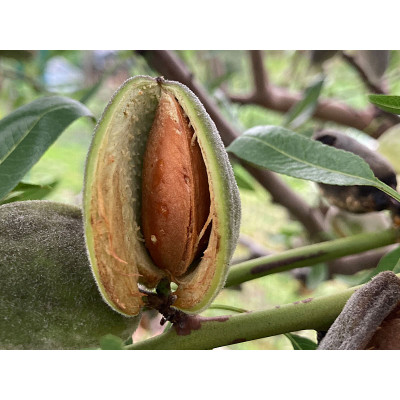
Die Überraschung am Ende – die Mandel: In diesem konkreten Test zeigten Mandeln die niedrigste antioxidative Aktivität und erreichten im Test der Reduktionskraft nicht einmal einen messbaren EC50-Wert. Das bedeutet nicht, dass Mandeln ungesund sind – entscheidend ist ein wichtiges Detail: Im Test wurden blanchierte Mandeln ohne Schale verwendet. Gerade die dünne braune Schale der Mandel – wie auch der Haselnuss – ist der Hauptspeicher der Phenolverbindungen (Delgado et al., 2010).
Relativer Phenolgehalt pro Portion (~42 g) – Referenzwert: geschälte Mandeln = 1×
| Walnuss | ~43× |
| Haselnuss | ~11× |
| Erdnuss | ~6× |
| Mandel (geschält) | 1× (Referenz) |
← Seitlich wischen →
Die Berechnung basiert auf üblichen Portionen (~42 g): Dem Phenolgehalt einer Portion Walnüsse entsprechen 4 Portionen Haselnüsse, 7 Portionen Erdnüsse und bis zu 43 Portionen geschälte Mandeln (Delgado et al., 2010).
Gesamtrangfolge der antioxidativen Kraft der Nusskerne
1. Walnuss
2. Haselnuss
3. Pinienkern
4. Erdnuss
5. Mandel (geschält)
Wichtiger Hinweis: Das Entfernen der dünnen braunen Schale bei der Verarbeitung von Nüssen kostet einen großen Teil der wertvollen Phenolverbindungen. Wenn Ihnen eine maximale antioxidative Wirkung wichtig ist, greifen Sie bevorzugt zu Nüssen mit Schale statt zu geschälten Varianten.
Fazit
Haselnüsse sind zweifellos wahre Spitzenreiter in unserer Ernährung. Auch wenn sie im direkten Duell um die antioxidative Krone der Walnuss den ersten Platz überlassen, bleibt ihre Wirkstärke beeindruckend. Wie die Labortests zeigen, hängt es auch davon ab, wie wir mit der Haselnuss umgehen, wie viel Gesundheit wir aus ihr gewinnen – das Entfernen der Schale kostet wertvolle Phenole, und bei der Verarbeitung ist die Wahl der richtigen Extraktionsmethode entscheidend, um nicht nur Menge, sondern vor allem Qualität der Wirkstoffe zu gewinnen.
Ob Sie Haselnüsse als gesunden Snack genießen oder ihren Extrakten in modernen Kosmetik- und Pharmaprodukten begegnen – eines dürfen Sie mit Sicherheit sagen: Sie halten einen der vollkommensten natürlichen Schutzschilde gegen Altern und Krankheit in Händen, den unser Planet zu bieten hat.
|
Entdecken Sie unsere Haselnusssorten Wählen Sie gesunde, ertragreiche Haselnusssorten direkt aus unserem Online-Shop und holen Sie sich eine natürliche Antioxidantienquelle in Ihren eigenen Garten. Zum Shop |
Besuchen Sie unsere Facebook-Seite Tauschen Sie sich über Anbauerfahrungen aus, stellen Sie Fragen zu Sorten und teilen Sie Ihre Ernte mit unserer Community begeisterter Obstgärtner – diskutieren Sie mit Experten und erhalten Sie neue Artikel als Erste. Zur Seite |