
















Schisandra (Chinesischer Magnolienbaum): Wirkungen, Arten und gesundheitliche Vorteile | Kompletter Leitfaden
Schisandra: Der umfassende Leitfaden zur uralten Liane, die die moderne Medizin verändert
Im riesigen Reich der Heilpflanzen gibt es nur wenige, die jahrtausendealte Weisheit so perfekt mit modernster Wissenschaft verbinden wie Schisandra. Ihre bekannteste Art, Schisandra chinensis, in der Traditionellen Chinesischen Medizin als „Wu Wei Zi“ – die Frucht der fünf Geschmäcker – bekannt, wird seit Jahrhunderten für ihre Fähigkeit geschätzt, den Körper zu harmonisieren, die Vitalität zu stärken und den Geist zu beruhigen.
„Heute wissen wir, dass sich hinter diesem alten Ruf eine faszinierende Geschichte der Evolution, botanischen Einzigartigkeit und eines Arsenals an bioaktiven Substanzen verbirgt, die sie zu einem der stärksten Adaptogene der Welt machen.“
In diesem umfassenden Leitfaden tauchen wir tief ein. Wir enthüllen, warum Schisandra als lebendes Fossil gilt, erforschen ihren einzigartigen chemischen Cocktail und fassen die wichtigsten, wissenschaftlich belegten gesundheitlichen Vorteile zusammen, die sie zu einem Superfood des 21. Jahrhunderts machen.
1. Wer ist Schisandra? Einblicke in Botanik und eine faszinierende Geschichte
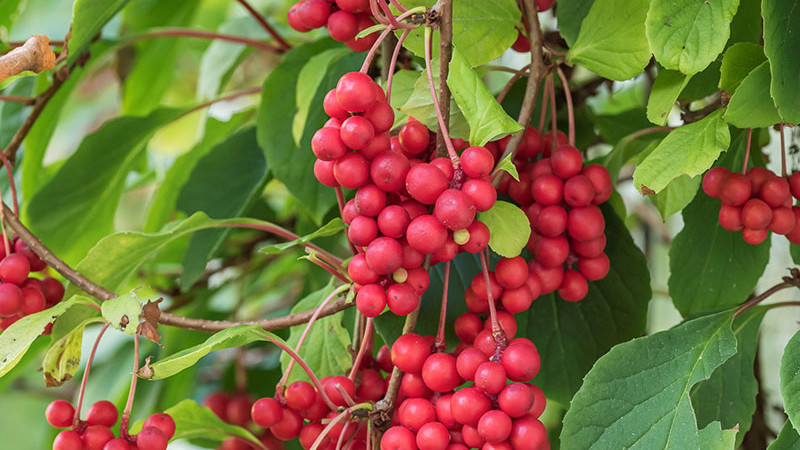
Schisandra ist eine holzige, laubabwerfende Liane, die sich um Bäume und Sträucher windet. Sie gehört zu den evolutionär sehr alten, sogenannten primitiven Blütenpflanzen, was sie zu einer Art lebendem Fossil macht. Ihre Blüten weisen Merkmale auf, die uns einen Einblick in die frühe Entwicklung von Blütenpflanzen geben.
Am interessantesten ist jedoch ihre Verbreitungsgeschichte. Heute finden wir 22 der 23 bekannten Arten in Ost- und Südostasien. Eine einzige Art, S. glabra, wächst jedoch auf einem völlig anderen Kontinent – im Südosten der USA. Wie ist das möglich? Fossilienfunde haben bestätigt, dass Schisandra vor zig Millionen Jahren, als das Klima wärmer war, auf der gesamten Nordhalbkugel, einschließlich Europa und Nordamerika, wuchs. Die anschließende Abkühlung drängte sie in ihre heutigen Rückzugsgebiete (sog. Refugien) zurück und machte sie zu einem Relikt vergangener Zeiten.
Wichtige Arten, die Sie kennen sollten:
- Schisandra chinensis (Nördliches Spaltkörbchen): Die bekannteste und am besten erforschte Art aus Nordostchina, Korea und dem Fernen Osten Russlands. In der TCM als "Bei Wu-wei-zi" bekannt.
- Schisandra sphenanthera (Südliches Spaltkörbchen): Wächst in Mittel- und Südchina. Obwohl sie in der TCM für ähnliche Zwecke verwendet wird, ist ihre chemische Zusammensetzung unterschiedlich, weshalb sie seit 2005 im Chinesischen Arzneibuch als eigenständige Droge ("Nan Wu-wei-zi") geführt wird.
2. Das chemische Arsenal: Was verbirgt sich in der „Frucht der fünf Geschmäcker“?
Der Name „Frucht der fünf Geschmäcker“ (süß, sauer, bitter, scharf und salzig) beschreibt perfekt die Komplexität ihrer chemischen Zusammensetzung. Genau diese einzigartige Mischung von Substanzen ist für ihr breites Wirkungsspektrum verantwortlich.
Lignane – Das Juwel der Schisandra
Die wichtigste und charakteristischste Gruppe sind die Dibenzocyclooctadien-Lignane (DBCLs). Diese Verbindungen, oft auch als „Lignane vom Schisandra-Typ“ bezeichnet, gelten als Hauptträger ihrer heilenden Wirkungen. Zu den bekanntesten gehören Schisandrine, Gomisine und Schisantherine. Genau die Zusammensetzung der Lignane unterscheidet das nördliche (S. chinensis) vom südlichen (S. sphenanthera) Spaltkörbchen.
Polyphenole – Die Kraft der Antioxidantien, verborgen in den Blättern
Obwohl die Früchte für ihre Lignane geschätzt werden, hat die Forschung gezeigt, dass die Blätter von Schisandra eine überraschend reiche Quelle an Polyphenolen sind, insbesondere an Flavonoiden (Isoquercitrin, Rutin) und Chlorogensäure. Ihre antioxidative Kapazität ist sogar deutlich höher als die der Früchte, was neue Möglichkeiten für die Nutzung der gesamten Pflanze eröffnet.
Weitere Wirkstoffe
Das komplexe Profil wird ergänzt durch:
- Triterpenoide: Verbindungen mit potenzieller Anti-HIV- und krebshemmender Aktivität.
- Ätherische Öle: Verantwortlich für das charakteristische Aroma und entzündungshemmende Wirkungen.
- Polysaccharide, organische Säuren, Vitamine (C, E) und Mineralstoffe.
3. Die Kraft der fünf Geschmäcker in Aktion: Die wichtigsten gesundheitlichen Vorteile von Schisandra
Die moderne Wissenschaft hat bestätigt, was die traditionelle Medizin seit Jahrhunderten wusste. Die Wirkungen von Schisandra sind weitreichend und äußerst relevant für die Bewältigung der Probleme des modernen Lebensstils.
1. Der Leberschutz Nummer eins (Hepatoprotektive Aktivität)
Dies ist die am besten dokumentierte Wirkung von Schisandra. Lignane schützen die Leberzellen auf verschiedene Weisen:
- Sie erhöhen den Spiegel von Glutathion, dem wichtigsten Antioxidans des Körpers.
- Sie schützen die Leber vor Schäden durch Toxine, Medikamente (z. B. Paracetamol) und Alkohol.
- Sie senken erhöhte Leberenzymwerte (ALT, AST), die ein Marker für Leberschäden sind.
- Sie fördern die Regeneration der Leber und verbessern nachweislich den Zustand bei Patienten mit Fettleber.
2. Adaptogen für Geist und Körper: Stressbewältigung und Gehirnunterstützung
Schisandra gehört zur Elitekategorie der Pflanzen, die als Adaptogene bezeichnet werden. Das bedeutet, sie hilft dem Körper, besser mit physischem und psychischem Stress umzugehen, normalisiert seine Funktionen und steigert die allgemeine Widerstandsfähigkeit.
- Sie reduziert Müdigkeit und steigert die körperliche und geistige Leistungsfähigkeit.
- Sie verbessert Konzentration und Gedächtnis.
- Sie schützt Nervenzellen und fördert die Bildung neuer Neuronen (Neurogenese).
3. Starkes Antioxidans und Kämpfer gegen das Altern
Dank des hohen Gehalts an Lignanen und Polyphenolen ist Schisandra ein außergewöhnlich starkes Antioxidans. Sie neutralisiert freie Radikale, schützt Zellmembranen vor Schäden und verlangsamt die Alterungsprozesse im Körper.
4. Vielversprechendes Potenzial im Kampf gegen Krebs und Entzündungen
Die Forschung zeigt, dass Lignane aus Schisandra ein erhebliches krebshemmendes Potenzial haben:
- Sie können den programmierten Zelltod (Apoptose) in Krebszellen auslösen.
- Sie stoppen die Teilung und Ausbreitung von Tumorzellen.
- Sie können die Wirksamkeit konventioneller Chemotherapie erhöhen und helfen, Arzneimittelresistenzen zu überwinden.
- Darüber hinaus unterdrücken sie effektiv Entzündungsprozesse im Körper.
Schisandra auf einen Blick: Warum sie in Ihr Leben integrieren?
| Vorteil | Wie es wirkt | Ideal für... |
|---|---|---|
| Leberschutz | Erhöht Glutathion, schützt Zellen, fördert die Regeneration. | Entgiftung, Unterstützung bei Fettleber, Schutz vor Toxinen. |
| Stressbewältigung | Als Adaptogen normalisiert es Körperfunktionen und erhöht die Widerstandsfähigkeit. | Menschen unter Stress, bei psychischer und physischer Belastung, gegen Müdigkeit. |
| Gehirnunterstützung | Schützt Neuronen, fördert Gedächtnis und Konzentration. | Studenten, geistig Arbeitende, Senioren. |
| Anti-Aging | Starke antioxidative Aktivität schützt Zellen vor dem Altern. | Jeden, der die allgemeine Vitalität und Langlebigkeit unterstützen möchte. |
Fazit: Mehr als nur eine Beere
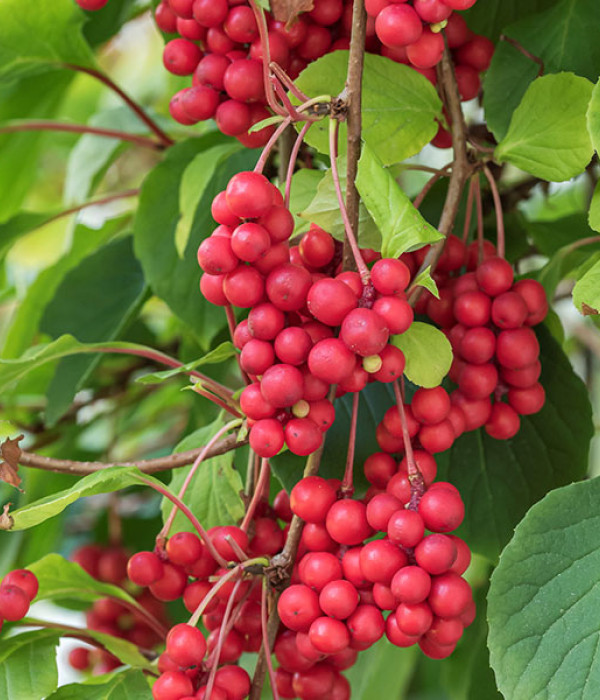
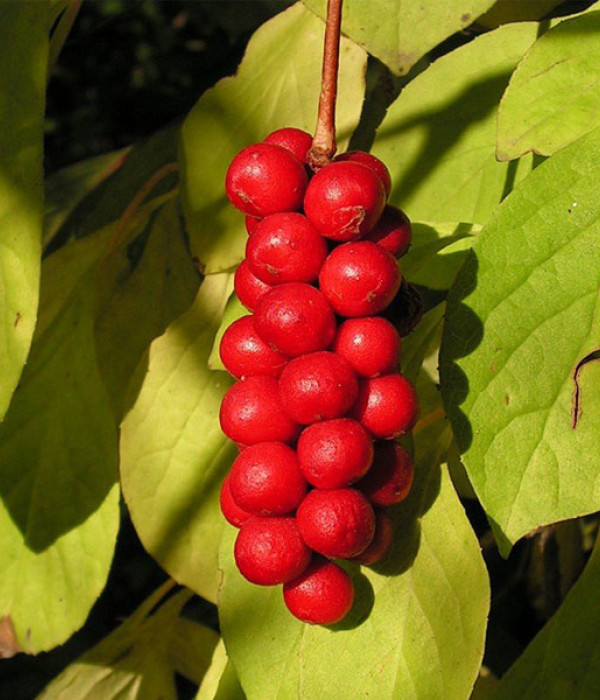
Schisandra ist das perfekte Beispiel dafür, wie die moderne Wissenschaft die Weisheit der Natur, die die Menschheit seit Jahrtausenden nutzt, bestätigen und erklären kann. Sie ist nicht nur eine Liane mit hübschen roten Früchten; sie ist eine komplexe botanische Apotheke, deren Potenzial wir immer noch entdecken. Vom Schutz unserer wichtigsten Organe bis zur Unterstützung des seelischen Wohlbefindens bietet Schisandra einen ganzheitlichen Ansatz für Gesundheit und Vitalität.
Entdecken Sie die Kraft der Frucht der fünf Geschmäcker
Entdecken Sie die Kraft der Frucht der fünf Geschmäcker und integrieren Sie diese außergewöhnliche Pflanze in Ihren Hausgarten und Ihre Hausapotheke.
Möchten Sie noch mehr erfahren?
Dieser Artikel ist nur der Anfang. Wenn Sie tiefer in die Welt des Anbaus eintauchen, exklusive Tipps und vorzeitigen Zugang zu Artikeln erhalten möchten, werden Sie Teil unserer Community!
Folgen Sie uns auf unserer Facebook-Seite und seien Sie immer einen Schritt voraus.
Welcher der vielen Vorteile von Schisandra hat Sie am meisten beeindruckt? Planen Sie, sie auszuprobieren oder sogar anzubauen? Teilen Sie Ihre Gedanken in den Kommentaren!
Verwandte Produkte