















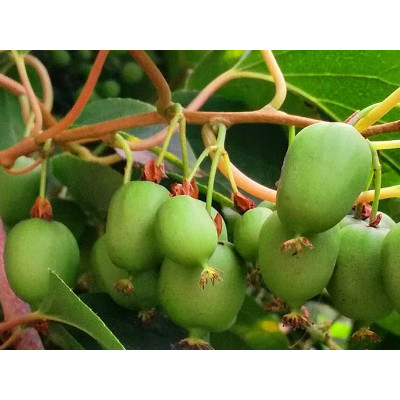


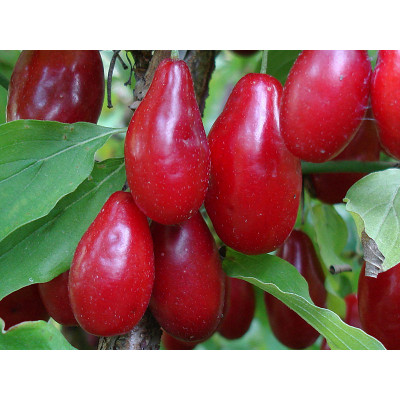








Che - Chinese Mulberry

Brand: Tutifruti
Stock: In Stock
Discover a treasure from East Asia and bring a touch of true exoticism to your garden. The Tricuspid Cudrania (Cudrania tricuspidata), also known as C..
- Height at sale: 50cm
- Pot: 3L
- Ripening time: October-November
Price
29,00€
Ex Tax:29,00€

New
Brand: Tutifruti
Stock: In Stock
Che Fruit / Melon Berry (Maclura tricuspidata) 'Male Pollinator'
The essential partner for all female Che fruit trees, serving as the absolute key ..
- Height at sale: 160cm
- Pot: 5L
Price
39,90€
Ex Tax:39,90€
Showing 1 to 7 of 7 (1 Pages)