
























Rätselhafte physiologische Störungen von Aprikosen nach der Ernte und warum normale Kälte sie zerstört
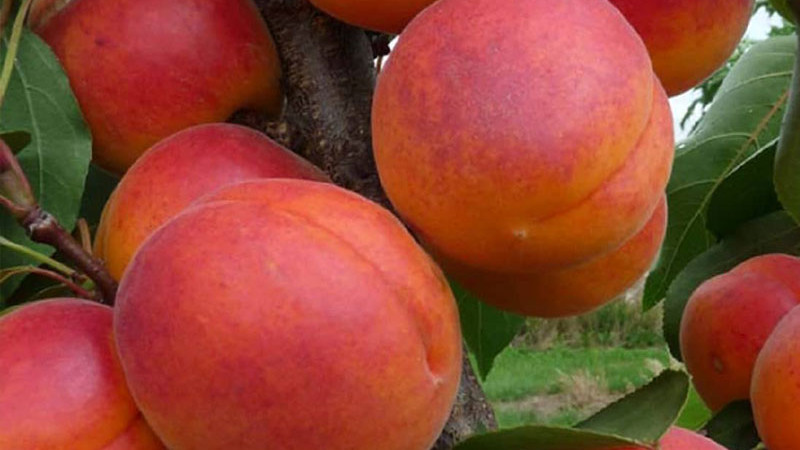
Der Kühlschrank-Tod: Rätselhafte physiologische Störungen von Aprikosen nach der Ernte und warum normale Kälte sie zerstört
Sie kaufen sie auf dem Markt – fest, duftend und mit dem Versprechen eines perfekten Geschmacks. Um sie in der Sommerhitze vor dem schnellen Verderb zu bewahren, legen Sie sie in den Kühlschrank. Doch wenn Sie sie ein paar Tage später herausnehmen und hineinbeißen, erleben Sie einen kulinarischen Schock. Das Fruchtfleisch ist trocken, erinnert an einen Schwamm, der Geschmack ist völlig verschwunden und um den Stein zieht sich ein unschöner brauner Ring. Was ist passiert? Sind sie verfault?
Nein. Ihre Aprikosen sind Opfer eines stillen Killers geworden, der in der Pomologie als physiologische Nachernte-Störung bekannt ist. Die Aprikose (Prunus armeniaca L.) ist aus Sicht der Nachernte-Biologie eine der kompliziertesten Obstarten auf dem Planeten. Das Einlegen in einen normalen Haushaltskühlschrank bedeutet für sie oft nicht die Rettung, sondern den Start destruktiver biochemischer Prozesse.
„Dieser Fachartikel führt Sie in die Mikrowelt der Aprikosenzellen nach der Ernte. Wir decken auf, warum eine Temperatur von 5 °C für eine Aprikose schlimmer ist als 0 °C, was genau 'Gel-Zerfall' bedeutet und wie die moderne Wissenschaft dagegen ankämpft, dass aus der Königin des Sommers eine mehlige, geschmacklose Masse wird.“
1. Die tickende biologische Bombe: Warum verderben Aprikosen so schnell?
Um physiologische Störungen zu verstehen, müssen wir zunächst verstehen, wie eine Aprikose „atmet“. Bei normaler Raumtemperatur haben frische Aprikosen eine Haltbarkeit (Shelf-Life) von nur 4 bis 5 Tagen.
Der Grund dafür ist ihre klimakterische Natur. Die Reifung von Aprikosen wird von einem Phänomen begleitet, das Wissenschaftler als „ausgeprägte und sehr kurze Ethylen-Krise“ bezeichnen. Ethylen ist das Pflanzenhormon des Alterns. Sobald die Aprikose gepflückt wird, beschleunigen sich die Ethylenproduktion und die Atmung mit steigender Temperatur rasant.
Metabolismus in Zahlen
Die Atmungsrate verdoppelt sich bei einer Temperaturerhöhung von 0 °C auf 10 °C mehr als. Die Ethylenproduktion bei reifen Aprikosen steigt von weniger als 0,1 μl/kg/h (bei 0 °C) auf unglaubliche 4–6 μl/kg/h (bei 20 °C).
Dieser rasante Stoffwechsel führt zu einer schnellen Erweichung und öffnet Tür und Tor für Fäulniserreger (z. B. Monilinia). Kühlung ist daher eine absolute Notwendigkeit. Aber hier liegt das kritische Problem.
2. Das Kühlschrank-Paradoxon: Kälteschaden und Gel-Zerfall
Die Logik besagt, dass ein normaler Kühlschrank (wo es meist um die 4 bis 7 °C hat) Aprikosen schützen sollte. Wissenschaftliche Studien enthüllen jedoch eine schockierende Tatsache: Aprikosen degradieren bei einer Temperatur von 5 °C viel schneller und fataler als bei 0 °C!
Dieses Phänomen wird in der Fachsprache als Kälteschaden (Chilling Injury) bezeichnet. Wenn empfindliche Sorten während einer längeren Lagerung Temperaturen im kritischen Bereich von 2,2 °C bis 7,6 °C ausgesetzt werden, kollabieren ihre Zellstrukturen buchstäblich.
Symptome des Kühlschrank-Todes
| Wann treten sie auf? | Meist erst dann, wenn Sie das Obst aus dem Kühlschrank in die Raumtemperatur bringen. |
| Gel-Zerfall (Gel breakdown) | Die Zellwände brechen auf und im Fruchtfleisch bilden sich „wassergetränkte Taschen“, die braun werden. Das Fruchtfleisch nimmt eine schwammige Textur an und im Inneren bildet sich ein festes Gel. |
| Mehligkeit (Mealiness) | Die häufigste Beschwerde von Verbrauchern. Das Obst verliert seinen Saft, die Textur wird trocken, bröckelig und der typische Geschmack und das Aroma verschwinden vollständig. |
3. Steinbrand (Pit Burn): Wenn die Hitze zuschlägt
Um die Liste der physiologischen Störungen zu vervollständigen, müssen wir auch das andere Extrem erwähnen. Manchmal schneiden Sie eine Aprikose auf und stellen fest, dass das Fruchtfleisch direkt um den Stein braun, weich und breiig ist, während der Rest der Frucht normal aussieht.
Diese Störung wird als Steinbrand (Pit Burn) bezeichnet. Paradoxerweise entsteht er nicht nach der Ernte, sondern noch am Baum. Er tritt auf, wenn Aprikosen kurz vor der Ernte extremen Temperaturen über 38 °C ausgesetzt sind. Die hohe Temperatur verursacht einen lokalen Gewebezusammenbruch um den Stein herum. Obwohl der Schaden im Obstgarten entsteht, wird er erst während der anschließenden Lagerung im Geschäft in vollem Umfang sichtbar und wertet die Frucht ab.
4. Wie die Wissenschaft Aprikosen rettet: Moderne Lagerungstechnologien
Da ein normaler Kühlschrank eine Todeszone für Aprikosen ist, musste die Lebensmittelindustrie ausgeklügelte Methoden entwickeln, um ihre Biologie auszutricksen.
A. Präzises Temperaturmanagement
Die Grundregel ist das schnelle Herunterkühlen (Quick Cooling) direkt nach der Ernte und die anschließende Aufrechterhaltung der Temperatur so nah wie möglich an 0 °C (ideal -0,5 °C bis 0 °C) bei einer Luftfeuchtigkeit von 90 – 95 %. Bei null Grad wird der Kälteschaden (Gel-Zerfall) minimiert und die Aprikosen bleiben 2 bis 4 Wochen frisch.
Interessant: Je süßer die Aprikose (höherer Zuckergehalt - Brix), desto niedrigere Temperaturen verträgt sie, ohne dass das Wasser in ihr gefriert.
B. Kontrollierte Atmosphäre (CA-Lagerung)
Kälte allein reicht nicht. Wenn Aprikosen in Kammern mit einem genau gemischten Gas (2-3 % Sauerstoff und 2-3 % Kohlendioxid) eingeschlossen werden, können sie ihre Festigkeit viel länger beibehalten. Es ist jedoch ein Tanz auf dem Vulkan – fällt der Sauerstoffgehalt unter 1 %, beginnen die Aprikosen zu ersticken, was zu innerer Bräunung und unangenehmem Fehlgeschmack (Off-Flavors) führt.
C. Das Wundergas 1-MCP
Die größte Innovation ist die Verwendung des gasförmigen Moleküls 1-Methylcyclopropen (1-MCP). Dieses Gas bindet sich an die Ethylenrezeptoren in den Aprikosenzellen und „blendet“ sie buchstäblich – die Aprikose nimmt das Alterungshormon nicht mehr wahr. Dies verhindert das Weichwerden und erhöht sogar den Gehalt an Antioxidantien in der Frucht während der Lagerung.
Fazit
Eine Aprikose stirbt nicht, nachdem sie vom Baum gepflückt wurde; im Gegenteil, sie beginnt hektisch zu atmen und lebt ihr kurzes, aber intensives Nachernte-Leben. Rätselhafte physiologische Störungen wie Gel-Zerfall oder Mehligkeit sind kein Fehler der Frucht, sondern unser Unverständnis für ihre Biologie.
Das Einlegen von Aprikosen in einen normalen Kühlschrank (bei 5 °C) ist für sie eine Folter in der kritischen Temperaturzone, die ihre Zellwände zerstört. Wenn Sie die perfekte Aprikose genießen möchten, rät die Wissenschaft klar: Essen Sie sie entweder sofort nach der Ernte oder lagern Sie sie bei Temperaturen knapp über dem Gefrierpunkt (0 °C). Alles dazwischen ist nur ein Warten auf den unvermeidlichen Kühlschrank-Tod dieser ansonsten perfekten Sommerfrucht.
Essen Sie Aprikosen direkt von Ihrem eigenen Baum
Sehen Sie sich unser Angebot an Premium-Aprikosensorten an ➤
Interessieren Sie sich für die Wissenschaft hinter Obstanbau und Lagerung?
Schließen Sie sich unserer Community an und diskutieren Sie mit Experten.
Treten Sie der VIP Facebook-Gruppe HIER bei ➤