























New Blackcurrants 2026: Gofert, Ben Connan & Balsgard Martin
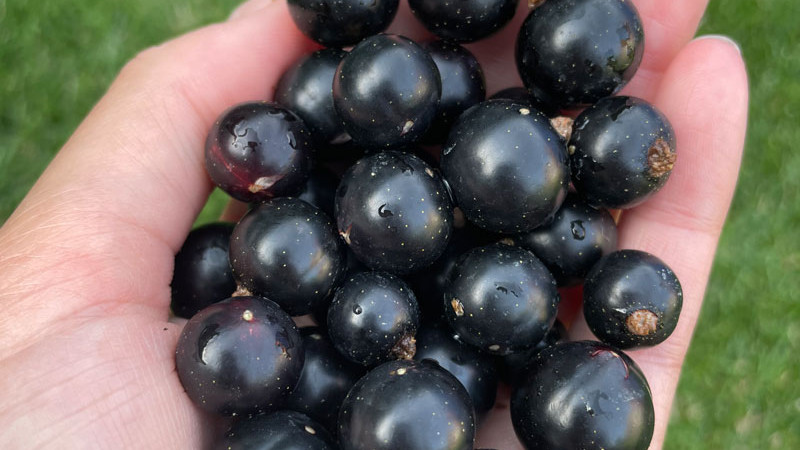
Superfoods Straight from the Bush: Introducing 'Gofert', 'Ben Connan', and the Swedish Novelty 'Balsgard Martin' Blackcurrants
Blackcurrants are experiencing a well-deserved comeback. Thanks to their extreme content of vitamins, antioxidants, and anthocyanins, they rank among the most accessible superfoods we can grow in our own gardens. Modern breeding has, moreover, eliminated the problems growers struggled with in the past – especially susceptibility to diseases and low frost hardiness of flowers.
For the 2026 season (expected sale April/May), we have selected three European varieties that represent the absolute pinnacle for organic cultivation. Each of them is fully self-fertile, requires no chemical sprays, and will bring you a rich harvest of health.
“Forget complicated spraying. 'Gofert', 'Ben Connan', and 'Balsgard Martin' varieties were bred to handle American powdery mildew, rust, or leaf spot on their own. These are ideal bushes for a modern organic garden.”
1. 'Gofert': The Polish Vitamin Bomb
The 'Gofert' variety from Polish breeding is proof that a blackcurrant can be not only extremely healthy but also very tasty for fresh consumption.
Why You Will Fall in Love with It
The bush has an upright habit, but under the weight of a rich harvest, the branches spread slightly, which significantly facilitates harvesting. It is an early variety – you can harvest the crop (medium to large berries with a slightly sweet dessert taste) as early as late June to early July.
Pharmacy on a Branch
The 'Gofert' variety breaks records in nutritional values. It contains up to 240 mg of Vitamin C per 100 g and an extreme amount of anthocyanins (340 mg/100 g). Add to that absolute immunity against powdery mildew and rust – a perfect choice for juices and freezing.
2. 'Ben Connan': Compact Certainty
The 'Ben Connan' variety comes from the famous Scottish-Polish "Ben" line, known for its high yield and robustness. It ripens in the second half of July.
Ideal for Small Gardens
While other varieties can grow vigorously and untidily, 'Ben Connan' maintains a compact habit (1.5 – 2 m). This makes it perfect for smaller gardens or as part of permaculture plantings.
Fruits That Stay Put
The berries are medium to large, grow in dense strigs, and have a distinct sweet-sour aroma. A huge advantage is that the berries are very firm. They do not crumble during harvest, do not crack, and last on the bush for a very long time in the ripe phase. The bush handles frosts down to -30 °C without problems.
3. 'Balsgard Martin': Swedish Nordic Novelty
Introduced to the market only recently, in 2021, the Swedish variety 'Balsgard Martin' is designed to survive and fruit even in the most demanding climatic conditions of Northern Europe.
Indestructible and Aromatic
This strong, upright bush (height 1.5 – 2 m) is the embodiment of Nordic resilience. It possesses complete resistance not only to diseases but even shows increased tolerance to pests.
Great Storage Properties
The fruits are black, highly glossy, very aromatic, and sweet-sour. They ripen in early July. The 'Balsgard Martin' variety is specific in that its fruits do not lose quality even if harvested late and store exceptionally well in the refrigerator.
Quick Comparison: Which One to Choose?
| Feature | Gofert | Ben Connan | Balsgard Martin |
|---|---|---|---|
| Color | Black / Transparent | Black | Black |
| Taste | Dessert sweet | Sweet-sour | Tart, fresh |
| Harvest | Late June / Early July | Late July | Early July |
| Main Advantage | Extremely high Vit. C | Compact growth for small garden | Complete resistance |
Conclusion
If you are looking for a currant that children will love, reach for the Russian novelty 'Gofert'. For those who want a stable harvest and long harvest time, there is 'Ben Connan'. And if you need a classic blackcurrant for processing, 'Balsgard Martin' is a safe bet. All three are fully self-fertile – just plant them and let nature do its work.
Prepare for the 2026 season
Browse our current blackcurrant offer ➤
Don't miss out on these novelties!
We inform our followers about the stock availability of these unique varieties first.
Follow us on Facebook ➤