
























The Secret to Vital Blueberries: Why Ammonium Sulfate is the Essential Spring Fertilizer
The Secret to Vital Blueberries: Why Ammonium Sulfate is the Essential Spring Fertilizer
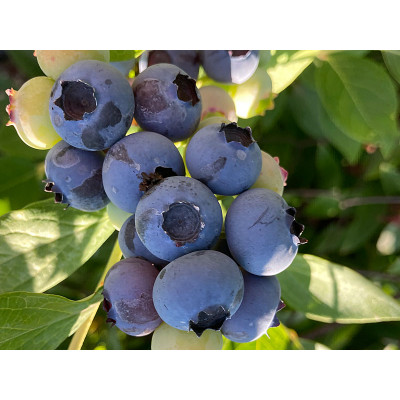
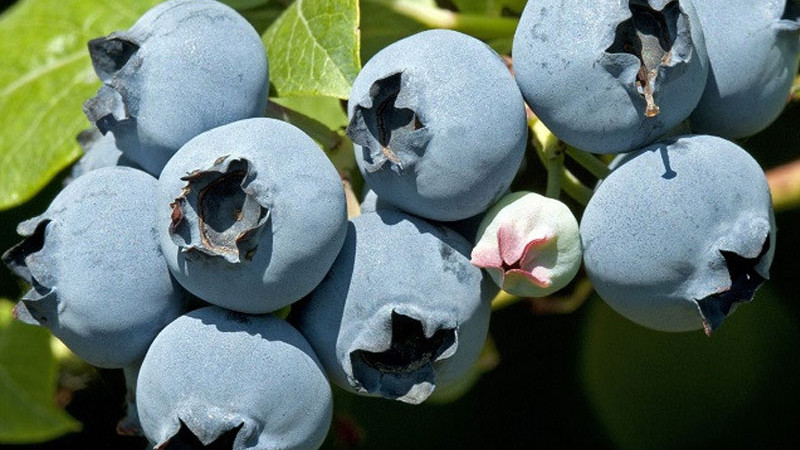
Ensuring vigorous growth in spring is the absolute foundation for a bountiful blueberry harvest. Unlike autumn, when we want growth to stop, spring requires energy for the formation of new shoots and leaves. In this context, ammonium sulfate is considered one of the most effective fertilizers for these acid-loving plants.
“Ammonium sulfate is not just a source of nitrogen. It is a tool that actively acidifies the soil and provides the plant with energy in the form it prefers. For a blueberry, it's like 'higher octane fuel'.”
When Do Your Blueberries Call for Help?
At the beginning of the season (April – June), watch for these signals screaming "need nitrogen":
- Chlorosis (yellowing): Light green to yellow leaves, especially older ones at the bottom of the bush.
- Stunted growth: The plant forms only short, thin shoots and looks sparse.
- Small leaves: Leaf area is reduced, meaning less energy from the sun.
- Reddish coloration: A stress reaction manifesting as a purple tint on leaves and stems.
Why Ammonium Sulfate Specifically? The Reason lies in Genes
Blueberries are an exception in the plant kingdom. They have two specific requirements that ammonium sulfate perfectly meets:
- They love acidity: They require a pH of 4.2 – 5.2. If the pH is higher, they stop absorbing nutrients and wither.
- They love ammonium nitrogen (NH₄⁺): Unlike vegetables that like nitrates, blueberries evolutionarily prefer the ammonium form of nitrogen.
Science Window: Energy Saving
Absorbing ammonium nitrogen (NH₄⁺) is energetically "cheaper" for the blueberry. It doesn't have to spend energy converting nitrates, so it can invest all its strength directly into growth and protein formation.
Double Effect: Fertilization + Acidification
Ammonium sulfate ((NH₄)₂SO₄) acts synergistically thanks to its two components:
1. Ammonium Cation (NH₄⁺) – Growth Engine
Nitrogen is the basic building block. Without it, the formation of chlorophyll (green color), proteins, or new DNA during cell division is impossible. Delivering it in the right form immediately kick-starts vegetative growth.
2. Sulfate Anion (SO₄²⁻) – Guardian of Acidity
This fertilizer actively and long-term lowers soil pH in two ways:
- Chemically in the soil: Bacteria convert ammonium nitrogen and release hydrogen cations (H⁺) in the process, which acidify the soil.
- Physiologically through the root: When the root absorbs a positive ammonium ion, it excretes a positive hydrogen ion, thus acidifying its own environment.
Additionally, sulfur is essential for the formation of important amino acids and enzymes.
Conclusion
If your blueberries are stagnating and yellowing in the spring, ammonium sulfate is the first choice. It solves two problems at once: it supplies the necessary nitrogen and adjusts the soil pH. However, apply it only in the first half of the season (April – June). Later application could jeopardize wood maturation before winter.
Need advice on dosage?
Join our community and ask the experts.
Follow us on Facebook ➤