























Apricots: Science of Quality, Taste, and Modern Processing
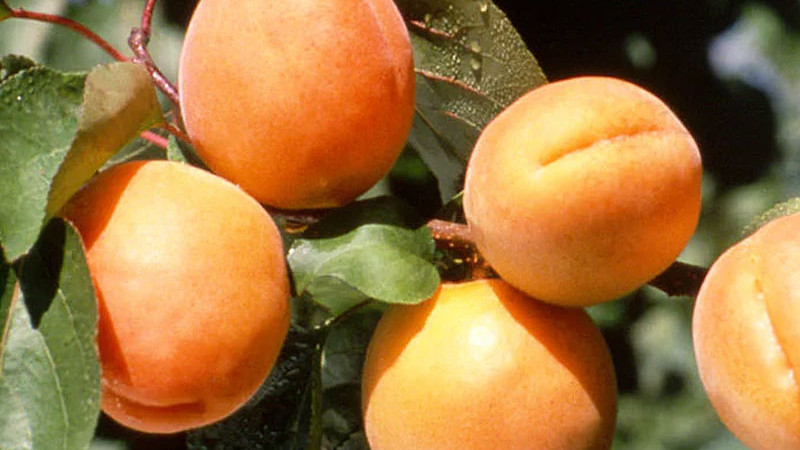
From Tree to Glass: The Science of Quality and Modern Processing of Apricots
We all know that feeling of disappointment. You buy a beautiful-looking, bright orange apricot at the supermarket, but instead of an explosion of sweet juice, you are greeted by a mealy texture and a taste reminiscent of wet cardboard. Why does fruit that looks so perfect often taste so hollow?
The answer lies not in a poor variety, but in the relentless logistics of modern food distribution and the biology of the apricot (Prunus armeniaca L.) itself. This article reveals the scientific parameters that define true apricot quality, explains the alchemy of harvesting, and shows how 21st-century technologies are rescuing vitamins and flavor from the destructive impact of boiling.
“Apricots are among the most demanding fruit species in the world when it comes to ripening. The transition from perfect maturity to decay often takes just 3 to 5 days. It is in this short window that the fate of the fruit's summer soul is decided.”
Part I: The Biology of Ripening and the Grower's Dilemma
Apricots are climacteric fruits. This means their ripening process is driven by a sharp increase in the production of the plant hormone ethylene and a massive accompanying surge in cell respiration. This "ethylene peak" is exceptionally pronounced and very short in apricots.
Tree-ripened vs. Commercial Maturity
If an apricot ripens on the tree to full flavor, it becomes almost impossible to transport—even gentle pressure will bruise it. Therefore, for supermarkets, they are harvested at the "commercial maturity" stage, when they are still hard and their ground color is just beginning to turn from green to yellow. Although such fruit softens after picking, the full aroma and sweetness never develop. This is the primary reason for the mealiness of store-bought fruit.
Part II: Decoding Quality – What Does Science Measure?
Apricot quality is an exactly measurable set of physical and chemical parameters:
- Flesh Firmness: Measured with a penetrometer. For fresh consumption, an ideal value is 0.9 to 1.3 kg/cm². Fruits that are too soft are unsellable, while those that are too hard are rejected by consumers.
- Soluble Solids Content (SSC - Brix): Represents sugar levels. While acceptable quality starts at 10%, top-tier varieties reach up to 19.5% Brix.
- Maturity Index (SSC/TA Ratio): Sugar content alone is not enough. If there is too much acid (primarily malic acid), the fruit will taste sour. The higher the ratio of sugars to acids, the more delicious the fruit is perceived to be.
- Aroma: Formed by over 26 volatile compounds (lactones, esters) that only fully develop in the final hours on the tree.
Part III: The Journey to the Jar – Traditional vs. Modern Processing
Since fresh apricots last only a few days, processing is a necessity. However, traditional methods rely on high heat (pasteurization and sterilization), which is a nutritional disaster for apricots.
Impact of Processing on Nutrients
| Parameter | Fresh Apricot | Traditional Compote / Jam |
|---|---|---|
| Vitamin C | approx. 10 mg / 100g | drops to 2.7 mg (up to 75% loss) |
| Antioxidants | High activity | Significant thermal degradation |
| Texture | Firm / Juicy | Softening (pectin solubilization) |
Part IV: The Non-Boiling Revolution – Cold Technologies
The modern food industry is finding ways to preserve 100% of vitamins and the taste of fresh fruit in a long-life product. The solution lies in "cold" technologies:
1. HPP (High Pressure Processing - Pascalization)
The product is not exposed to heat, but to extreme hydrostatic pressure (up to 600 MPa). This pressure crushes bacteria and yeast but does not damage small molecules like vitamins, antioxidants, and aromas. The result is a juice that tastes like it was just pressed, yet has a long shelf life.
- PEF (Pulsed Electric Field): Electric discharges literally "punch holes" in the membranes of microorganisms, neutralizing them without heating the juice.
- Cryoconcentration: Instead of evaporating water by boiling, water is removed from the juice by freezing it into ice crystals. The resulting concentrate retains its original aroma and heat-sensitive vitamins.
- Enzymatic Extraction: The use of pectinolytic enzymes allows the pulp to be liquefied, resulting in higher yields and the release of more aromatic compounds (terpenes) from the cells.
Conclusion
The apricot's journey from tree to glass is a race against time and biology. Science teaches us that quality is not just about color, but a symphony of sugars, acids, and pectins. Thanks to innovations like HPP or cryoconcentration, we can now rescue the "golden egg of the sun" from destructive boiling and bring you products that are nutritionally almost identical to fresh fruit.
However, remember that the best experience cannot be packaged. You will only experience the true taste of summer when you find your own tree and enjoy the fruit in the fleeting moment of its full ripeness directly in the orchard.
Grow quality in your own garden
Explore our offer of premium apricot varieties ➤
Interested in modern fruit growing technologies?
Join our community and get access to exclusive professional articles.
Follow us on Facebook ➤